Jewish Uprisings against the Romans – after Jesus

Some time in the 30s CE, Jesus of Nazareth attempted to – at the very least – cleanse the Temple in advance of Passover, having entered Jerusalem as a Messianic claimant and would-be King. He was caught and crucified together with two Zealot leaders.

In 36 a Taheb, or Samaritan Messiah, and his followers were massacred by Pilate. Pilate was sent to Rome for trial for excessive brutality, but we don’t know the outcome.

About 45 CE, Theudas claimed to be the Messiah and raised an army of 400 men; they were slaughtered and Theudas was beheaded.

About 47 CE, Judas of Galilee’s sons Jacob and Simon were arrested and crucified by the Romans.

In the 50s, 400 followers of the Egyptian Prophet were massacred by the Romans though the Prophet himself escaped and disappeared.

The Great Revolt began in 67 with Menahem – another son of Judas of Galilee – breaking into the armory at Masada and arming the Zealots, then entering Jerusalem as King and executing the High Priest. Vespasian laid siege to Jerusalem in 68, and his son Titus captured it and looted and destroyed the Temple in 70.
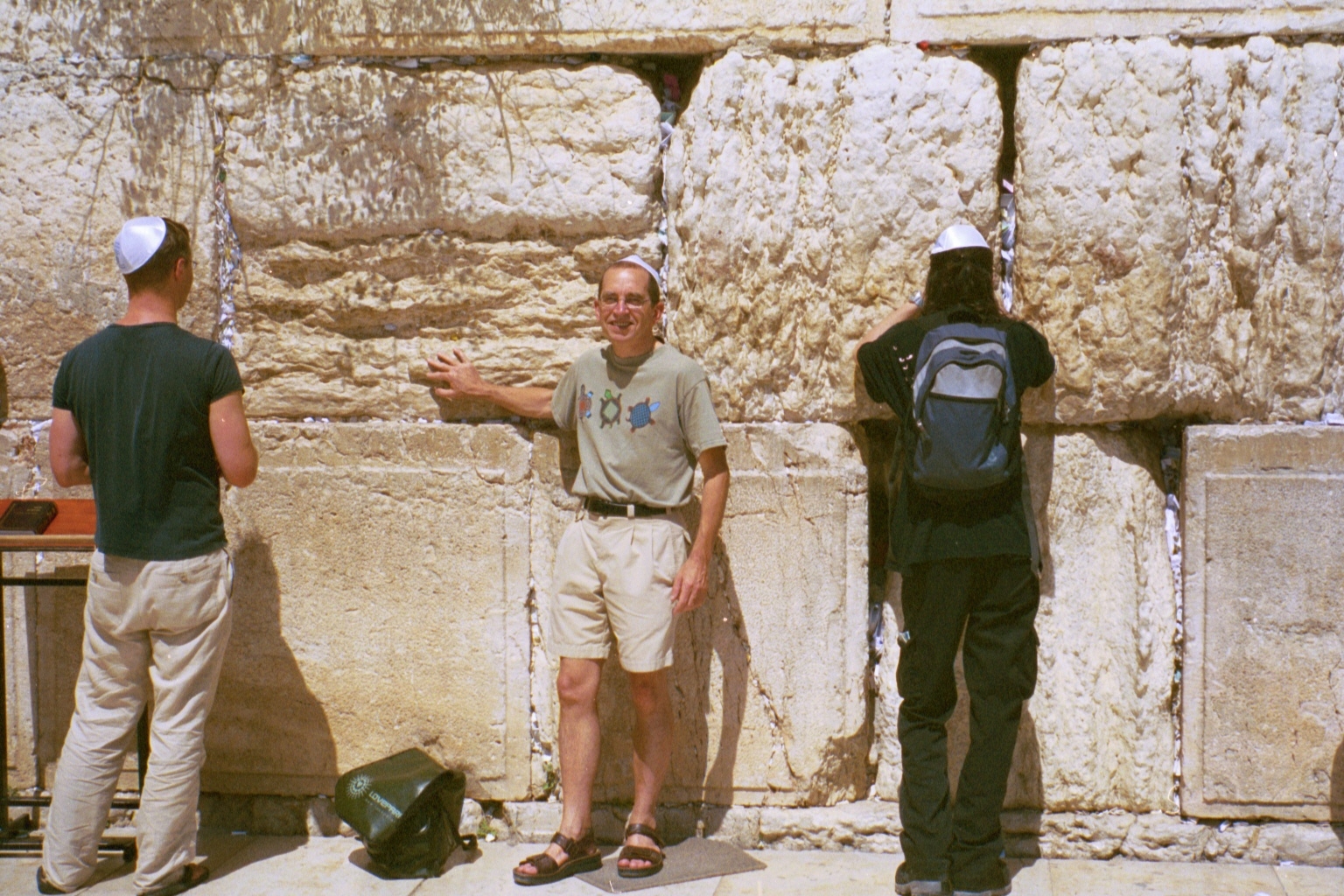
All that has been left of the Temple since 70 CE: the foundations of the Western Wall

It took the Romans a further three years to mop up the province, culminating in the capture of Masada in 73.

The Kitos War of 117 began with a massacre – this time by the Jews, of Greeks and Romans in Libya – and spread to Egypt, Cyprus and Palestine.

In the culmination of 200 years of uprisings, the Bar Kokhba Revolt saw Simon bar-Kokhba and Rabbi Akiva take control of Judea in 132 CE, with 200,000 Zealots. The Romans sent 12 Legions to retake and sack Jerusalem. 580,000 Jews were killed. Jerusalem was plowed under, the new city of Aelia Capitolina built on the site, and Judea was renamed Syria Palestine. The remaining Jews were enslaved, dispersed, and barred from Jerusalem.

Jewish Uprisings against the Romans – before Jesus

During a Jewish civil war in 63 BCE, one side paid Romans under the command of Pompey eight tons of silver and nearly a ton of gold to intervene. The Romans gradually annexed Hellenized areas like Syria, Samaria and the Decapolis, leaving Judea and Galilee as a client kingdom. Galilee, being wild and hilly, was a natural center of Jewish religious and military resistance against the idolatrous, pig-eating Westerners. Its 25-year-old governor, Herod, captured and executed the leader of the resistance, Hezekiah.

Herod was created king of Judea by Mark Antony and Octavian (later Caesar Augustus), and he kept order through ruthless suppression of dissent, including the murder of his favorite wife and several other family members. When he died in 4 BCE, at least three Messianic uprisings broke out simultaneously, led by Judas the son of Hezekiah, and Simon of Perea, and Athronges the Shepherd. Judas captured the palace at Sepphoris and looted it of weapons and treasure; he was defeated by the Romans, but escaped. Simon burned down the palace at Jericho and looted what was left; he was defeated, caught and decapitated. Athronges had some success against the Romans, and it took two years to crush his forces; we don’t know what happened to him.

The Temple in Jerusalem. Romans used the Antonia Fortress at left

In 6 CE Judas of Galilee captured and looted Sepphoris; the Romans defeated his army of Zealots and crucified 2,000 of them. Judas was thrown into the sea with a millstone round his neck. It is not certain this Judas is the son of Hezekiah – in ‘The Gospel According to the Romans’ I assume it is.

This disastrous failure of an uprising happened when Jesus of Nazareth was 12, and had been to the Temple in Jerusalem with Joseph and Mary. Nazareth is only 4 miles from Sepphoris. We don’t hear anything about Joseph after this, and we don’t know what Jesus did for the next couple of decades. Regardless of Jesus’ or Joseph’s involvement in the rebellion, these were major and catastrophic events in Jesus’ formative years.