The man we call Saint Matthew, being the tax collector “sitting at the receipt of custom” in Capernaum, is by definition a Roman agent appointed by Pontius Pilate. As such, he has the additional function of keeping an eye on the Zealots and other religious fanatics who head the insurgency against the Roman occupation. ‘Ragheads’, the Romans call them. After Jesus recruits Matthew to help purify Israel and overthrow the Romans – ‘Pigs’, the Jews call them – Matthew continues to feed information to Pilate.
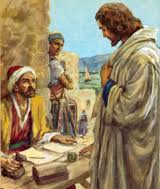
The local tax collector in Capernaum was - by definition - a Roman agent
Matthew himself tells the story. He is a Greek-speaking Jew, born and educated in Damascus, with a skeptical fascination for religion and politics. He is an irreligious opportunist and has friends on both sides in the conflict. He dines with the Roman military, spies for them, and wants Roman citizenship. But he also lives with Jesus, preaches for him, and falls in love with Mary of Bethany. Whichever way he turns he will cause the death of people he likes, and, in either camp, whoever suspects him will kill him.
By contextualizing the words and actions of Jesus within the Roman Occupation of Palestine and the repeated Jewish insurrections, a strangely modern picture emerges in ‘The Gospel According to the Romans’: a charismatic religious fundamentalist, opposing an occupying superpower.
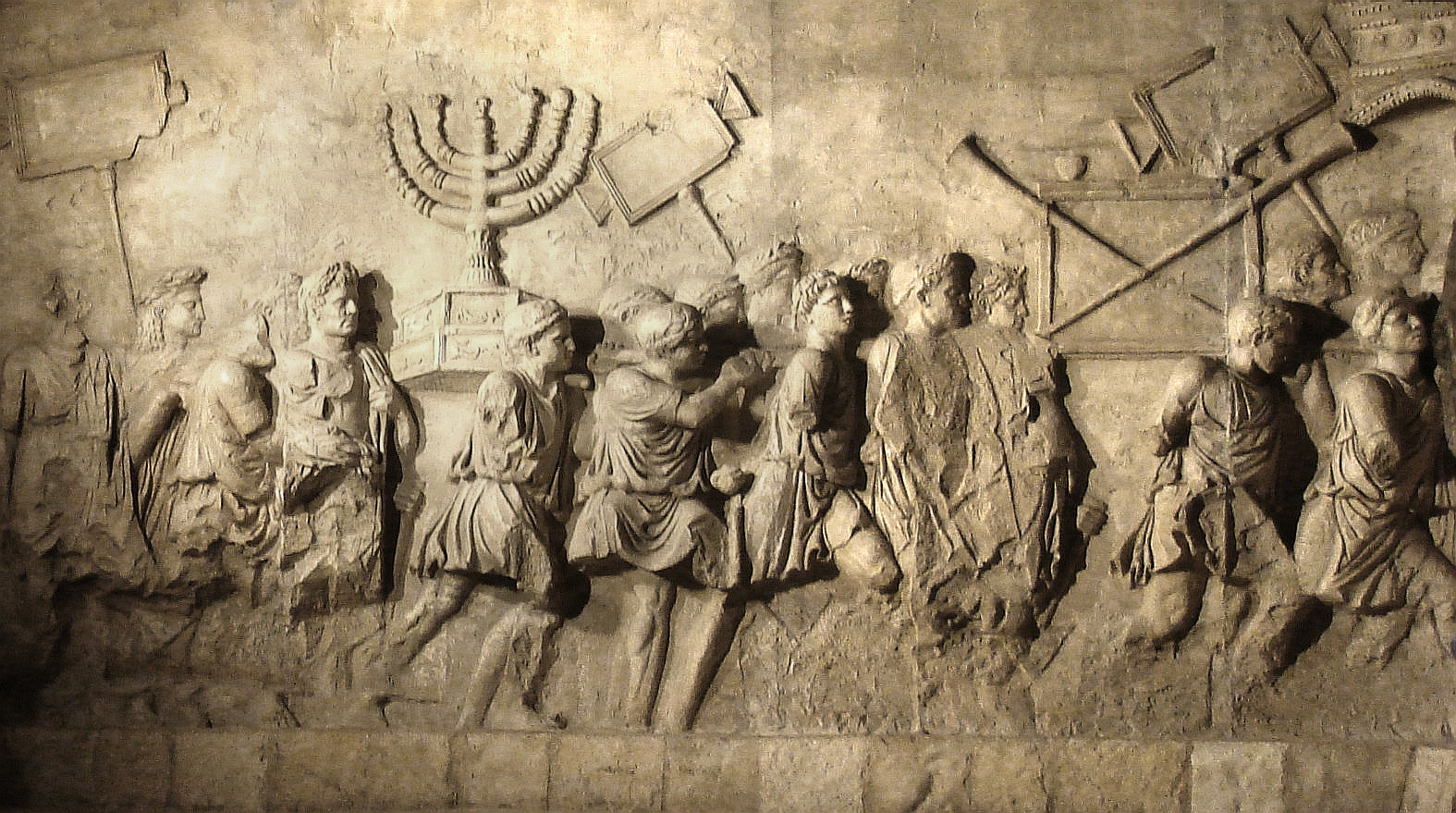
 The Gospel According to the Romans